
Creative handmade card ideas and free templates 2026
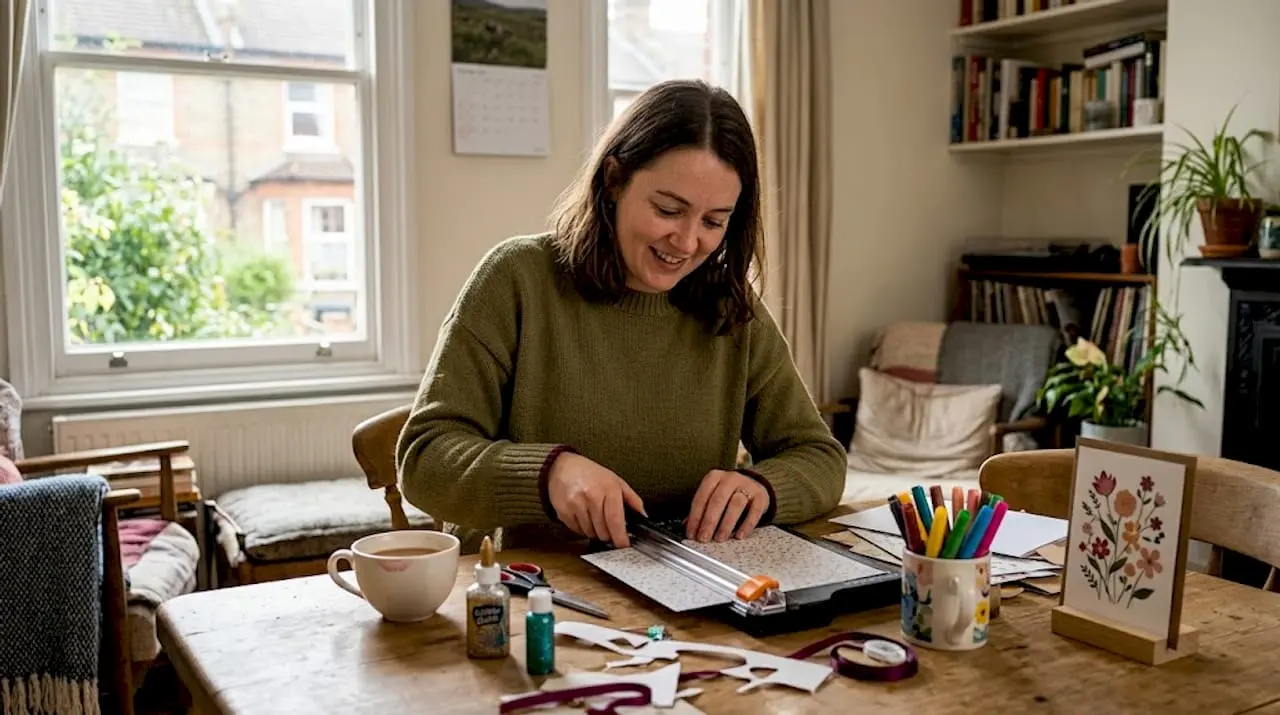
Mass-produced greeting cards line every supermarket shelf, yet they rarely say what you actually mean. Handmade cards are different. They carry the maker’s fingerprints, literally and figuratively, and the person receiving one knows immediately that real time and thought went into it. Whether you are a seasoned crafter or someone who has just discovered the joy of card making, this article walks you through inspiring ideas, practical techniques, and direct links to card making downloads so you can start creating something genuinely personal today.
Table of Contents
- Deciding your style: Criteria for creative handmade cards
- Classic inspiration: Five timeless handmade card ideas
- Modern and interactive: Slider, pop-up, and tri-fold card designs
- Side-by-side comparison: Which handmade card style suits you?
- Instant resources: Downloadable templates and patterns for card makers
- Our take: Why handmade cards matter more than ever in 2026
- Start crafting with free downloads and expert help
- Frequently asked questions
Key Takeaways
| Point | Details |
|---|---|
| Mix classic and modern styles | Combine basic designs with interactive elements for unique and memorable cards. |
| Leverage free templates | Online downloads save time and provide endless inspiration for your handmade craft. |
| Personalise for more impact | Adding photos, handwritten notes, or custom motifs makes every card special. |
| Precise folding prevents jams | Careful scoring and folding ensure slider and pop-up cards function smoothly. |
| Simple can still be stunning | Even quick, beginner-friendly cards have strong visual and emotional appeal. |
Deciding your style: Criteria for creative handmade cards
Before you reach for the scissors, it pays to think about what kind of card maker you are right now, and what you want to become. Choosing a style that matches your current skill level keeps the process enjoyable rather than frustrating, while leaving room to grow.
Start by thinking about complexity. Basic techniques suit beginners well, including glitter, yarn, and decoupage, while mechanics like sliders and pop-ups add expert interactivity for those ready to level up. Quick ten-minute cards contrast sharply with detailed accordion folds that might take an afternoon. Neither approach is better; they simply serve different moments.
Next, consider personalisation. A card built around a favourite photograph, a handwritten note in your own script, or a theme that only makes sense to the recipient carries far more weight than any generic design. Think about who you are making the card for and what detail would make them smile.
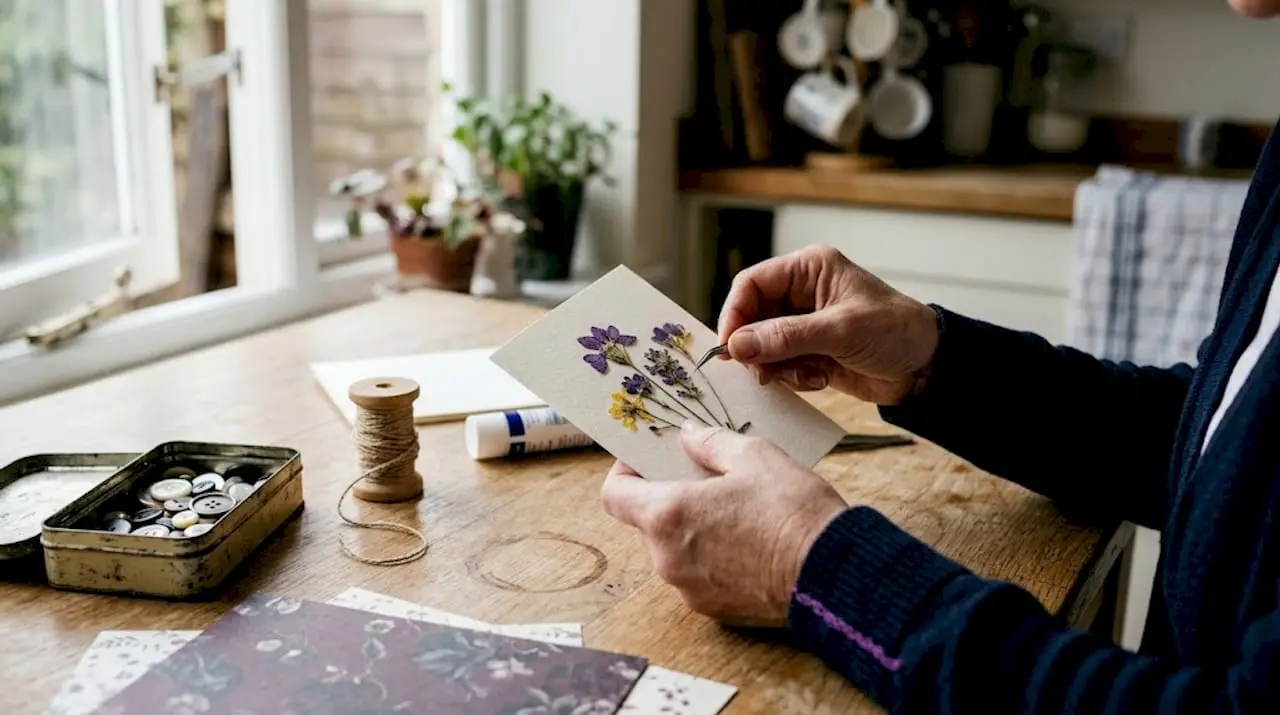
Material considerations matter too. Look at what you already have at home before buying anything new. Scraps of patterned paper, leftover ribbon, old buttons, and even dried flowers can all become card embellishments. When you do need to buy, focus on one or two quality items rather than a trolley full of supplies you may never use.
Finally, be honest about time. A busy week calls for a simple, striking design. A lazy Sunday afternoon is the perfect opportunity to try something more ambitious.
Key criteria to weigh up before starting:
- Skill level: beginner, intermediate, or advanced
- Time available: ten minutes versus two hours
- Materials on hand versus materials to source
- Degree of personalisation desired
- Occasion: everyday, seasonal, or milestone
Pro Tip: Start with one new mechanic per project rather than attempting three at once. Mastering a single fold or technique properly is far more satisfying than producing a card that nearly works.
Classic inspiration: Five timeless handmade card ideas
Some card styles have stayed popular for decades because they work beautifully across every occasion. The following five ideas, drawn from Martha Stewart Christmas Cards, are versatile enough to adapt for birthdays, holidays, anniversaries, or just a note to say you are thinking of someone.
- Glittered photograph card: Print a favourite photo, apply a thin layer of craft glue around the edges, and dust with fine glitter. The result is glamorous and deeply personal at the same time.
- Cards with Dresden embellishments: Dresden foil shapes, traditionally used in Victorian scrapbooking, add an antique elegance. Cut them out using kitchen scissors or a craft punch and layer them over coloured card stock.
- Accordion-fold photo card: Fold a long strip of card into equal sections, attach photos to each panel, and the finished piece fans out to reveal a mini album. Perfect for milestone birthdays or year-in-review Christmas cards.
- Yarn cards: Draw or stamp a simple outline, pierce small holes along the lines, and thread coloured yarn through to create a stitched illustration. Children love making these, and the tactile result is charming.
- Embossed holiday cards: Use a rubber stamp and embossing powder with a heat gun to raise a design off the surface of the card. The three-dimensional effect looks professional and is easier to achieve than it appears.
For a more artistic direction, the black-and-white card project from Stampington demonstrates how limiting your palette can actually push creativity further.
“Personal touches such as family photos or hand lettering never fail to make an impact.”
The beauty of these classic craft card ideas is their adaptability. Swap the glitter for pressed flowers, replace the yarn with twine, or combine two techniques on a single card. There are no strict rules, only starting points.
Modern and interactive: Slider, pop-up, and tri-fold card designs
If you want to create a card that genuinely surprises the recipient, interactive mechanics are the answer. These designs go beyond a folded piece of card and become small experiences in themselves.
- Slider pop-up card: Score an 11-inch by 1-inch strip at specific points to create the slider mechanism, then attach it to the card base. When the recipient pulls the tab, a hidden image or message rises into view. The slider pop-up tutorial from Simply Simple Stamping includes a free PDF with precise measurements.
- Pop-up card: Cut parallel slits into the fold of a card, push the resulting tab forward, and attach a paper figure or sentiment. The pop-up appears the moment the card is opened, making it ideal for children’s birthdays or playful occasions.
- Tri-fold card: Fold the card into three panels rather than two, and cut windows or layered shapes into the front panels. The reveal effect as each panel opens adds drama and elegance to any design.
Pro Tip: Always use a bone folder or a metal ruler to score your folds before creasing. A clean score line means smoother movement in slider mechanisms and crisper edges on pop-ups. Rushing this step is the most common reason interactive card mechanisms jam or tear.
| Card type | Skill required | Estimated time | Best occasions |
|---|---|---|---|
| Slider pop-up | Intermediate | 45-60 minutes | Birthdays, celebrations |
| Pop-up | Beginner to intermediate | 20-30 minutes | Children’s cards, fun notes |
| Tri-fold | Beginner | 15-25 minutes | Weddings, thank-you cards |
These pop-up card templates are well worth bookmarking for your next project.
Side-by-side comparison: Which handmade card style suits you?
With so many options available, a direct comparison helps you make a confident choice rather than getting stuck in indecision. The table below breaks down the main card types by the criteria that matter most to crafters.
| Style | Time needed | Skill level | Approximate cost | Customisation potential |
|---|---|---|---|---|
| Glitter or decoupage | Under 15 minutes | Beginner | Low | High |
| Yarn or embossed | 20-40 minutes | Beginner to intermediate | Low to medium | High |
| Accordion fold | 30-60 minutes | Intermediate | Low | Very high |
| Slider or pop-up | 45-75 minutes | Intermediate | Medium | High |
| Tri-fold with windows | 20-35 minutes | Beginner | Low | Medium to high |
Beyond the table, think about the situation you are crafting for:
- Busy crafters who need something lovely in under twenty minutes should reach for glitter, decoupage, or a simple stamped design.
- Special occasions such as milestone birthdays or weddings deserve a keepsake design like an accordion-fold photo card or an embossed piece on quality card stock.
- Cards for children benefit from interactive elements like yarn stitching or a simple pop-up that they can play with repeatedly.
Sources such as scrapbook ideas and albums consistently emphasise the importance of personalisation through photos and handwriting, as well as using archival materials so cards last for years rather than fading within months. The tri-fold template from Stampington is a good example of a free resource that bridges simplicity with impact.
Downloadable templates speed up every stage of this decision. Rather than measuring and cutting from scratch, you print, score, and assemble, which means more time spent on the creative details that make a card truly yours.
Instant resources: Downloadable templates and patterns for card makers
Knowing where to find reliable, free templates saves hours of searching and lets you focus on the making rather than the planning. Here are the best starting points:
- Aunt Annie’s Crafts at printable patterns offers a wide range of printable patterns for boxes, envelopes, and geometric shapes that work beautifully as card inserts or packaging.
- Stampington provides free templates including Tri-fold Love, Pocket Card, Interlocking Three-Panel, and a full set of Valentine’s card templates such as Pinwheel and Heart Locket designs.
- Simply Simple Stamping offers free PDF downloads specifically for slider cards, complete with scoring guides and assembly instructions.
- Craftsuprint hosts a curated library of free card templates alongside premium kits, making it easy to find both quick-start designs and more ambitious projects in one place.
Once you have downloaded a template, print it on the correct paper weight for the design. Most card templates work best on 160gsm to 200gsm card stock. Thinner paper will buckle; heavier stock may crack along fold lines unless scored first.
Combining templates with your own embellishments is where the real creativity happens. Use a template for the structure, then layer on hand-stamped images, washi tape borders, or pressed botanicals to make it entirely your own.
Pro Tip: Always save your downloaded templates in a clearly labelled folder on your computer or cloud storage. Organising them by occasion, such as birthdays, Christmas, and weddings, means you can find exactly what you need the moment inspiration strikes.
Our take: Why handmade cards matter more than ever in 2026
Most crafting articles focus on technique, and technique matters. But what they rarely say is this: the emotional weight of a handmade card has nothing to do with how perfect it looks. We have seen beautifully printed, professionally finished cards get a polite smile and a place on the shelf. We have also seen a slightly wonky, hand-stitched card kept in a drawer for years.
In 2026, when digital messages arrive in seconds and are forgotten just as quickly, the act of sitting down and making something physical is itself the message. It says: you were worth my time. That is something no algorithm can replicate.
What most tutorials miss is the satisfaction on the maker’s side. The focus is always on the recipient’s reaction, which is understandable. But the quiet concentration of folding, cutting, and assembling is genuinely good for your wellbeing. It is a form of slow making in a fast world.
Pro Tip: Do not overthink the design. A simple card made with care and a handwritten note inside will always outperform an elaborate creation that left you stressed and short on time.
Start crafting with free downloads and expert help
Ready to turn today’s inspiration into a finished card? Craftsuprint brings together everything you need in one place, from beginner-friendly printable kits to advanced layered designs, all created by independent designers who love the craft as much as you do.
Browse the full range of downloads and supplies for card making to find templates suited to every skill level, occasion, and style. Whether you want a quick ten-minute project or a showstopping keepsake design, there is something waiting for you. New freebies are added regularly, so it is always worth checking back for fresh ideas and seasonal collections to keep your crafting inspired all year round.
Frequently asked questions
What is the easiest handmade card style for beginners?
Glittered photo cards and decoupage designs are ideal for beginners because they are quick, require minimal tools, and look striking with very little experience. Basic techniques like glitter and yarn are consistently recommended as the best starting points.
Where can I find free card-making templates to download?
Great sources for free card templates include Aunt Annie’s Crafts, Stampington, and Simply Simple Stamping, all of which offer printable designs at no cost. Aunt Annie’s Crafts, Stampington and Simply Simple Stamping cover a wide range of styles and occasions.
How do I prevent pop-up or slider cards from jamming?
Ensure you score folds precisely and use a bone folder or ruler for crisp edges before assembling the mechanism. Precise scoring prevents jamming and is the single most important step in any interactive card project.
Which handmade card styles are best for fast crafting?
Festive holiday cards made from pre-cut strips and spritzed note cards with torn paper are both quick to assemble in under fifteen minutes. Festive greeting cards and heart note cards are among the fastest options available for busy crafters.